Plumbing in Abbotsford, BC
Urgent Plumbing Solutions for Homeowners Facing Leaks or Blockages
Water damage, clogged drains, and failing fixtures require immediate attention before they escalate into costly structural repairs. When you encounter these critical issues in Abbotsford, you need a team that provides rapid, diagnostic-based solutions to restore your home’s functionality without delay. Contact us today to schedule an assessment or apply for financing.
Discover fast, reliable plumbing solutions in Abbotsford, always available when you need them. Our experienced teams offer same-day service and online estimates to get your systems back in order swiftly. We prioritize clear communication and technical precision, ensuring that whether you are facing a burst pipe during a winter freeze or a backed-up sewer line, the problem is resolved at the source.
- Get immediate assistance with 24/7 availability for urgent leaks and blockages.
- No-surprise pricing with free online estimates provided before work begins.
- Expert servicing from licensed and highly rated local plumbers familiar with Fraser Valley building codes.
- All services are fully licensed and backed by a satisfaction guarantee.
Comprehensive Plumbing Services: What We Deliver
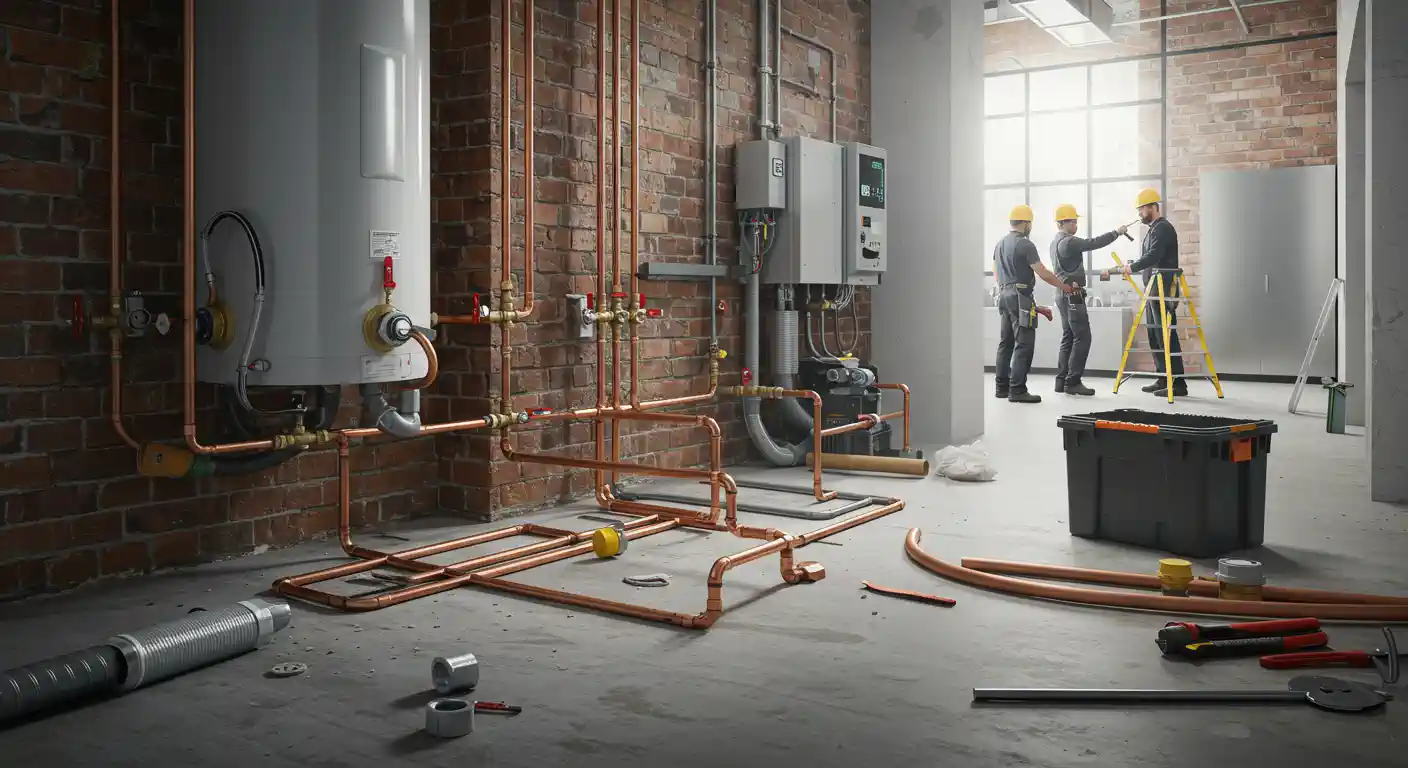
When you hire a professional plumbing service, you are paying for more than just a quick fix; you are investing in the long-term health of your home’s infrastructure. Our service model is built on transparency, technical expertise, and a comprehensive approach to residential plumbing. We address everything from minor fixture adjustments to major system overhauls, ensuring that every component of your water and waste systems functions in harmony.
Emergency Leak Detection and Repair
Unchecked leaks can destroy drywall, flooring, and insulation within hours. We utilize advanced leak detection technology, including acoustic listening devices and thermal imaging, to pinpoint the exact location of water breaches behind walls or under slabs. This non-invasive approach minimizes damage to your property while allowing us to access and repair the pipe efficiently. Whether it is a pinhole leak in copper piping or a joint failure in PEX lines, we halt the water flow and implement a permanent repair.
Drain Cleaning and Hydro-Jetting
Slow drains often indicate a developing blockage deep within your sewer lateral. We move beyond simple plunging to offer professional drain auguring and hydro-jetting services. Hydro-jetting uses high-pressure water streams to scour the interior of your pipes, removing grease buildup, tree roots, and mineral deposits that standard snakes cannot reach. This restores your pipes to their original diameter and prevents future clogs from forming.
Water Heater Services
Hot water is essential for sanitation and comfort. We provide full-spectrum services for both tank-style and tankless water heaters. This includes diagnosing heating element failures, replacing corroded anode rods, and flushing sediment buildup that compromises efficiency. If your unit is leaking or failing to produce heat, we provide an objective analysis of whether a repair or a replacement is the most cost-effective path forward — view current promotions.
Fixture Installation and Retrofitting
Leaky faucets, running toilets, and outdated showerheads contribute to high water bills and potential water damage. We handle the installation of high-efficiency fixtures that reduce water consumption without sacrificing performance. This includes properly sealing flanges, seating valves, and ensuring that all connections are watertight to prevent slow drips that lead to mold growth.
How We Solve Your Plumbing Problems Quickly and Efficiently
Navigating a plumbing issue can be stressful, which is why we have streamlined our service process to be as predictable and efficient as possible. From the moment you notice a problem to the final safety check, our workflow is designed to minimize disruption to your daily life while ensuring technical accuracy.
- Initial Consultation and Triage: The process begins with a detailed intake of your specific issue. We assess the urgency of the situation to determine if immediate emergency dispatch is required. For non-emergencies, we schedule a window that fits your routine.
- On-Site Diagnostic Assessment: Upon arrival, a licensed technician performs a physical inspection of the affected area. We do not guess; we test. This involves checking water pressure, inspecting visible piping, and using diagnostic tools to understand the root cause of the symptom you are experiencing.
- Clear, Upfront Estimates: Once the problem is identified, we present a clear scope of work. You will receive a detailed breakdown of the necessary repairs, parts required, and the total cost. We do not proceed until you have authorized the work, ensuring you are never surprised by the final invoice.
- Execution and Technical Repair: Our technicians work diligently to execute the repair or installation. We adhere to strict industry standards and local building codes. We protect your home by using drop cloths and wearing shoe covers, ensuring that the workspace remains clean throughout the project.
- Pressure Testing and Quality Assurance: After the repair is complete, we do not simply pack up and leave. We stress-test the system. This involves running water, checking for pressure drops, and ensuring that drains flow freely. We verify that the repair holds up under normal usage conditions.
- Final Walkthrough and Cleanup: We walk you through the work performed, explaining what was done and providing maintenance tips to prevent recurrence. We leave the work area as clean as, or cleaner than, we found it, removing all debris and old parts.
Choosing Between Plumbing Repair and Replacement
Homeowners often face the difficult decision of whether to repair an aging component or invest in a full replacement. While repairs are often cheaper upfront, they can sometimes be a temporary patch on a failing system. Rep-Air Heating and Cooling technicians provide honest evaluations to help you make the best financial and functional decision for your home.
When to Repair
Repair is generally the preferred option when the plumbing system is relatively new, and the issue is localized.
- Fixture Life: If a faucet or toilet is under ten years old and the issue is a simple worn washer or flapper, repair is cost-effective.
- Localized Clots: If a drain clog is caused by a specific object or recent accumulation and the pipes are in good condition, professional cleaning is usually sufficient.
- Minor Leaks: If a pipe has a single leak due to accidental impact or a loose joint, replacing that specific section is often all that is required.
When to Replace
Replacement becomes necessary when the system has reached the end of its service life or when the cost of repairs approaches 50% of the replacement cost.
- Aging Water Heaters: Traditional tank water heaters typically last 8-12 years. If your unit is in this age range and starts leaking or requires frequent repairs, replacement is the safer investment to avoid catastrophic failure.
- Corroded Piping: If your home has galvanized steel pipes that are rusting from the inside, or if you have older Poly-B piping known for spontaneous rupture, a repiping project is recommended to safeguard your property.
- Frequent Backups: If you experience recurrent sewer backups despite regular cleaning, it may indicate a collapsed line or severe root intrusion that requires a section replacement or a trenchless sewer repair.
Understanding Local Plumbing Regulations and Seasonal Considerations
Plumbing in the Fraser Valley requires specific attention to local climate patterns and municipal regulations. The region’s specific weather profile directly impacts how plumbing systems should be maintained and installed to ensure longevity.
Managing High Rainfall and Drainage
The wet winters and significant rainfall in this region place a heavy load on drainage systems and sump pumps.
- Sump Pump Maintenance: Homeowners with basements or crawl spaces must ensure their sump pumps are operational before the rainy season begins. We recommend annual testing and battery backup installation to prevent flooding during power outages caused by winter storms.
- Perimeter Drains: Excessive rain can overwhelm perimeter drains if they are clogged with silt or roots. Regular inspection of cleanouts and catch basins is vital to prevent water from pooling against the foundation and entering the home.
Winterization and Frost Protection
While winters are generally mild, cold snaps do occur, and they can wreak havoc on unprepared plumbing.
- Hose Bibbs: Exterior faucets should be drained and covered, or upgraded to frost-free sill cocks to prevent bursting.
- Pipe Insulation: Pipes located in unheated areas, such as garages, attics, or crawl spaces, must be properly insulated. This prevents freezing during unexpected temperature drops, which is a common cause of emergency calls in the area.
Permitting and Code Compliance
Major plumbing alterations, such as moving a bathroom, installing a new backflow preventer, or replacing a main water line, often require municipal permits.
- Compliance: Professional plumbers handle the permitting process, ensuring that all work meets the specific safety codes of the jurisdiction. This is crucial for insurance validity and future property resale.
- Backflow Prevention: Local regulations may require annual testing of backflow prevention devices, particularly for properties with irrigation systems or hydronic heating, to protect the municipal water supply from contamination.
Why Choose Professional Plumbing Services
Selecting the right service provider is the difference between a lasting solution and a recurring nightmare. You need a partner who understands not just the mechanics of plumbing, but the specific needs of homes in this community.
- Licensed and Insured Professionals: Plumbing involves complex systems involving gas, water, and sewage. Our team consists of fully licensed journeymen and apprentices who operate under strict safety protocols. We carry full liability insurance, protecting your home and assets during every job.
- Advanced Diagnostic Equipment: We do not rely on guesswork. By investing in sewer cameras, digital locators, and pressure testing gear, we diagnose problems accurately the first time. This reduces labor time and prevents unnecessary destruction of drywall or landscaping.
- Commitment to Cleanliness: We respect your property. Plumbing can be a dirty job, but that doesn't mean your home should suffer. We utilize protective coverings and perform thorough cleanups, treating your home with the care we would expect in our own.
- Local Expertise: Understanding the local water hardness, common soil conditions, and regional construction eras allows us to anticipate problems that out-of-town providers might miss. We know which pipe materials were common in different decades of local development and how they age in this specific climate.
Secure Your Home’s Plumbing System Today
Waiting to address plumbing irregularities often leads to compounded damage and higher costs. Whether you need a routine inspection, a new installation, or emergency repair work, professional intervention is the key to maintaining a safe and functional home. Rep-Air Heating and Cooling is ready to provide the expertise and reliable service you require to keep your water systems running smoothly.
Schedule your service online now for fast, professional plumbing assistance.
hear what our satisfied clients have to say
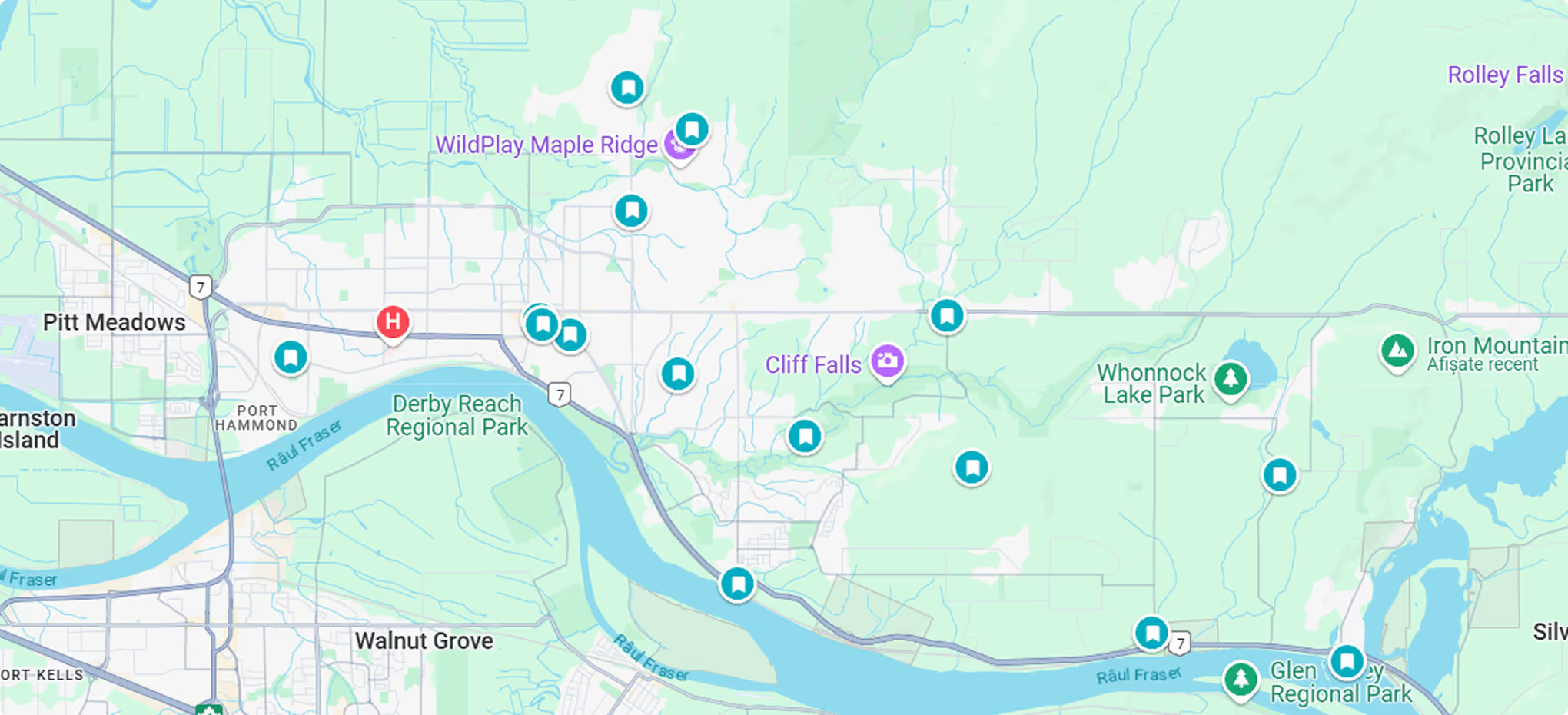
Neighbourhoods in the Fraser Valley