Plumbing in Maple Ridge, BC
Eliminate Active Water Leaks and Drainage Blockages Now
Facing unexpected leaks or a clogged drain can disrupt your day and cause significant property damage if left unchecked. Here’s how we make sure your plumbing needs in Maple Ridge are met promptly and professionally. Call us or contact us online to schedule immediate dispatch for your home or business.
- Immediate service response, available 24/7.
- Transparent pricing with detailed estimates before work begins.
- Experienced plumbers handling both residential and commercial needs.
All services are fully licensed with a satisfaction guarantee. Rep-Air Heating and Cooling ensures your system is restored to full function without unnecessary delays or hidden costs.

Comprehensive Plumbing Services Available Today
When a plumbing system fails, the priority is restoring sanitation and water flow. Residents in Maple Ridge require a service that covers the full spectrum of plumbing infrastructure, from supply lines to waste removal systems. Professional intervention ensures that minor drips do not escalate into structural water damage and that sewage systems function hygienically.
Emergency Plumbing Repairs
Plumbing emergencies rarely happen at convenient times. A burst pipe or a backed-up sewer line constitutes a crisis that requires immediate containment to prevent flooding.
- Leak Detection and Repair: Hidden leaks behind walls or under slabs can ruin flooring and drywall. Advanced acoustic listening equipment and thermal imaging pinpoint the exact location of a leak without invasive demolition. Once identified, the compromised section of the pipe is repaired or replaced.
- Burst Pipe Isolation: Freezing temperatures or high water pressure can cause pipes to rupture. The immediate service involves shutting off the main water supply, excising the damaged pipe, and installing new copper or PEX piping to restore the system.
- Sewage Backups: A backup signifies a major blockage in the main sewer line. This creates a biohazard environment. Technicians arrive with the necessary protective gear and heavy-duty augers to clear the obstruction and sanitize the affected area.
Drain Cleaning and Hydro Jetting
Slow drains are often a symptom of deep-seated clogs composed of grease, hair, roots, or mineral buildup. Over-the-counter chemical cleaners often fail to reach the core of the problem and can damage older pipes.
- Video Camera Inspections: Before any digging or heavy cleaning occurs, a waterproof camera is fed into the line. This provides visual confirmation of the clog's location and composition, ensuring the correct cleaning method is selected.
- Professional Snaking: For localized clogs in toilets or sinks, professional-grade augers break up obstructions and retrieve foreign objects.
- Hydro Jetting: For pervasive grease buildup or tree root intrusion in the main line, hydro jetting is utilized. This process uses high-pressure water streams to scour the interior walls of the pipe, restoring them to a near-new diameter and flushing debris out to the municipal sewer.
Water Heater Services
Hot water is essential for sanitation and comfort. Issues typically manifest as lukewarm water, strange noises, or leaks around the base of the tank.
- Tank Water Heater Repair: Common failures include burnt-out heating elements, malfunctioning thermostats, or tripped pressure relief valves. Diagnostics determine if these components can be swapped out to extend the unit's life.
- Tankless System Maintenance: Tankless units require periodic flushing to remove scale buildup that hinders heat transfer — sign up for our maintenance plan. Technicians also check gas lines and venting to ensure safe and efficient combustion.
- Replacement and Installation: When a unit is beyond repair, sizing a new unit correctly is vital. Factors such as household size and peak water usage determine whether a 40-gallon tank, 60-gallon tank, or a high-efficiency tankless model is the best fit.
Fixture and Appliance Installation
Proper installation of faucets, toilets, and water-connected appliances prevents future leaks and ensures warranty compliance.
- Toilet Installation: Improper wax ring seating is a common cause of floor rot. Professional installation ensures a watertight seal and proper leveling.
- Faucet and Showerhead Upgrades: Upgrading to modern fixtures can reduce water consumption and improve pressure. Technicians handle the delicate connections to prevent damage to decorative finishes.
- Appliance Hookups: Dishwashers, washing machines, and refrigerators with ice makers require secure water line connections. Installing shut-off valves for each appliance provides easier maintenance access in the future.
The Plumbing Repair and Installation Process
Understanding the workflow of a professional plumbing visit helps homeowners prepare and eliminates uncertainty. The focus is on efficiency, cleanliness, and technical accuracy.
- First: The process begins with a detailed assessment. Upon arrival, the plumber listens to the description of the issue and conducts a physical inspection of the affected fixtures and visible piping. For complex drainage issues, this may involve diagnostic tools like cameras or pressure gauges.
- Next: A clear explanation of the findings is presented. You receive a breakdown of the problem, the proposed solution, and a flat-rate price. This eliminates surprise costs at the end of the job. You approve the work before any tools are applied to the repair.
- Then: The technical work commences. Rep-Air Heating and Cooling technicians work diligently to isolate the work area, protecting flooring and surrounding furniture. Whether it is soldering a pipe or clearing a drain, industry-standard codes are followed strictly to ensure safety and durability.
- Finally: Once the repair or installation is complete, the system is tested under pressure to ensure there are no leaks and that flow rates are optimal. The workspace is cleaned, and old parts are removed from the premises. A final walkthrough confirms your satisfaction with the operation of the system.
Deciding Between Repair and Replacement
Determining whether to patch an existing problem or invest in a replacement is a critical financial decision. Plumbing systems have finite lifespans, and recurring repairs often cost more than a modern upgrade — view our financing options.
Piping Systems
- Repair: If a leak is isolated to a single joint or a specific section of pipe due to accidental impact or localized freezing, a spot repair is the most cost-effective solution.
- Replace: If the home contains Polybutylene (Poly B) piping or galvanized steel pipes that are showing signs of widespread corrosion or reduced water pressure, repiping is necessary. These materials are prone to catastrophic failure, and insurance companies often require their removal.
Water Heaters
- Repair: A unit that is under 8 years old and has a minor component failure, such as a pilot light issue or a single heating element burnout, is a good candidate for repair.
- Replace: If the tank is over 10 years old, leaking from the bottom, or requires a repair costing more than 50% of a new unit, replacement is the smarter investment. New models offer significantly better energy efficiency.
Toilets
- Repair: Flapper valves, fill valves, and handle mechanisms are inexpensive and easy to replace. If the porcelain is intact, rebuilding the internal components is viable.
- Replace: If the porcelain bowl or tank is cracked, the toilet constantly clogs due to poor design, or the unit uses excessive water per flush (older than 1994), installation of a modern, low-flow toilet is recommended.
Faucets and Fixtures
- Repair: Leaking washers or O-rings in high-quality brass fixtures can be replaced to stop drips.
- Replace: If the fixture is corroded, the finish is peeling, or parts are no longer available for the specific model, replacement improves both aesthetics and function.
Local Considerations for Plumbing
Plumbing in Maple Ridge requires specific attention to regional environmental factors and municipal regulations. The local climate and infrastructure influence how plumbing systems should be maintained and installed.
Seasonal Rainfall and Drainage
The region experiences significant rainfall, particularly from October through March. This consistent precipitation places a heavy load on perimeter drains and sump pump systems.
- Sump Pump Reliability: Homes with basements or crawl spaces rely heavily on sump pumps during the wet season. Regular testing and battery backup installation are essential to prevent basement flooding during power outages that often accompany storms.
- Perimeter Drains: Older homes may have clay or concrete perimeter tiles that can collapse or become infiltrated by roots. ensuring these drainage systems are clear is vital to preventing hydrostatic pressure from pushing water through the foundation foundation.
Water Quality and Hardness
While the local water supply is generally high quality, variations in pH and mineral content can affect piping materials over time.
- Pipe Corrosion: Copper pipes can develop pinhole leaks over decades due to water chemistry. Monitoring exposed pipes for green oxidation spots can provide an early warning of thinning walls.
- Filtration Needs: Homeowners concerned with chlorine levels or sediment may opt for whole-home filtration systems to protect appliances and improve drinking water taste.
Municipal Permits and Codes
Adherence to the British Columbia Building Code and local bylaws is mandatory for significant plumbing alterations.
- Renovation Permits: Adding a new bathroom, moving rough-in plumbing, or changing the main water service line requires a permit. Professional plumbers manage this administrative process to ensure all work passes city inspection.
- Backflow Prevention: Commercial properties and irrigation systems often require backflow prevention devices to protect the municipal water supply from contamination. Annual testing of these devices is a regulatory requirement.
Why Professional Execution Matters
Choosing the right service provider determines the longevity of the repair and the safety of the home. Plumbing involves high-pressure water, scalding temperatures, and combustible gases; it is not a field for guesswork.
- Technical Expertise: Licensed plumbers undergo years of apprenticeship and technical training. They understand the physics of water flow, venting requirements for drainage, and the metallurgy of piping systems. This knowledge prevents common DIY errors like S-traps or mismatched pipe materials that lead to corrosion.
- Tooling and Technology: Professional vans are stocked with specialized equipment that is unavailable to the general public. From commercial-grade drain augers to ProPress fittings that eliminate the need for open flames, these tools allow for faster, safer, and more durable repairs.
- Warranties and Liability: Professional work is backed by labor and parts warranties — see our client reviews. If a fitting fails or a leak persists, the provider returns to fix it at no cost. Furthermore, licensed operations carry liability insurance, protecting the homeowner from financial responsibility in the rare event of accidental property damage during the job.
Securing the integrity of your home’s plumbing system requires swift, decisive action from qualified professionals. Do not let a minor leak evolve into a structural crisis.
Restore Your Maple Ridge Plumbing With Rep-Air Heating and Cooling
When leaks, clogs, or failing equipment threaten your comfort and property, timely professional help makes all the difference. Rep-Air Heating and Cooling delivers code-compliant repairs, expert installations, and proactive solutions tailored to Maple Ridge’s climate and infrastructure. From emergency dispatch to planned upgrades, our team supports you with flexible financing options, preventative maintenance plan services, and proven results backed by client reviews. Contact us today to schedule your plumbing service and restore your system to reliable, worry-free operation with Rep-Air Heating and Cooling.
Contact us today to schedule your service and restore your plumbing system to perfect working order.
hear what our satisfied clients have to say
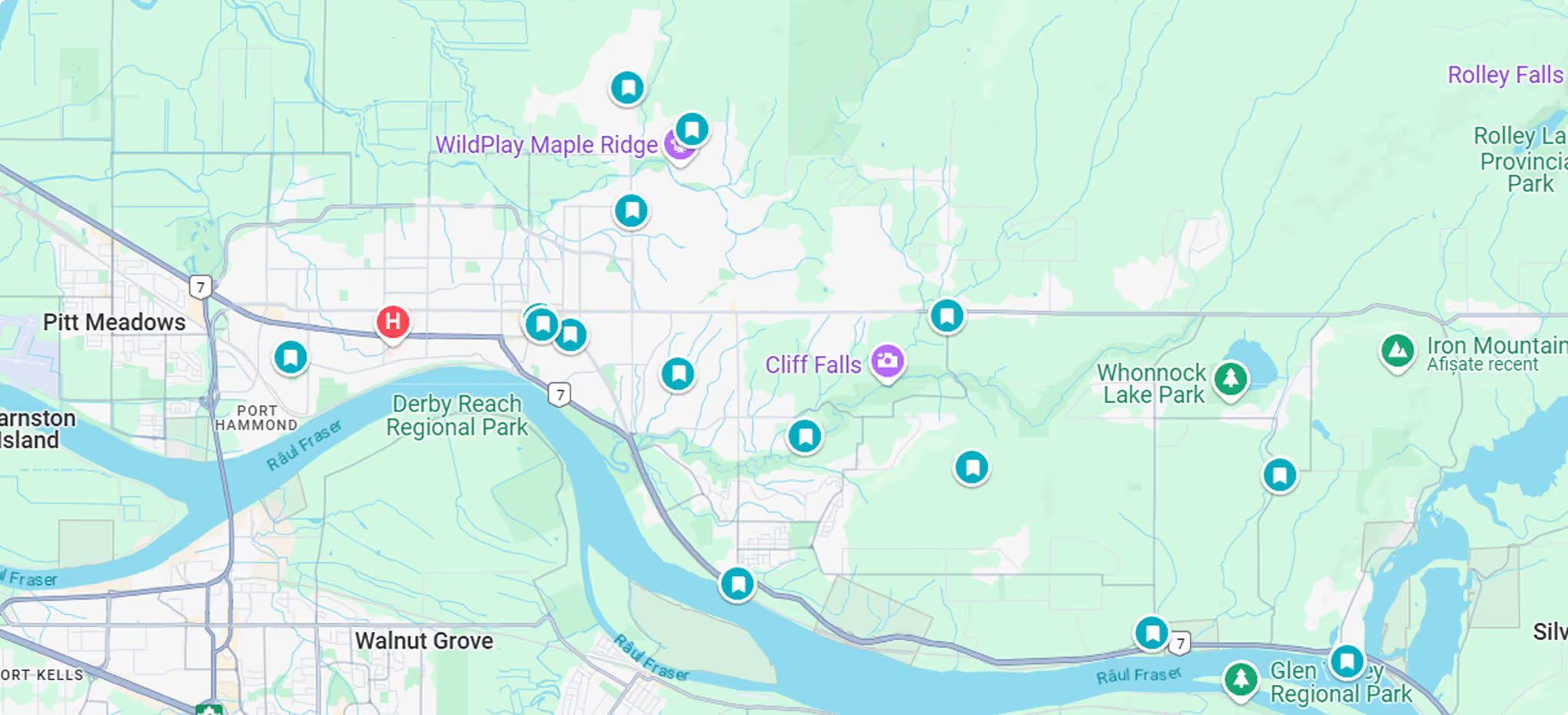
Neighbourhoods in the Fraser Valley